It’s a big day for the charts, Billboard and Cashbox, on this day in 1964. For it was on this day that ‘Ring of Fire: The Best of Johnny Cash,’ became the first album to hit #1 on the newly created Top Country Albums chart in Billboard Magazine. The Columbia Records album was a compilation of non-album singles he’d released after leaving Sun Records. Johnny would be unseated a week later by Ray Price, who would be unseated a week later by Buck Owens. Johnny would return for another 13 weeks in March ’64, then follow up later in the year when he hit #1 with the album I Walk the Line. Cash would have relatively uneven success through his last #1 country album in 1971. By 1984, when he released the awful novelty single “The Chicken in Black,” his commercial success was all but finished. June Carter called it “the nadir of his career.” Columbia dropped John in 1985. He had a stint on Mercury Records with some excellent albums that by and large suffered the same commercial fate. Then Rick Rubin straightened things out.
But it was on this very same day in ’64 that Cashbox Magazine had The Kingsmen at #1 on the singles chart with the seminal “Louie Louie.” It is the definition of Garage Rock, remaining the most recorded Rock song of all time, with anywhere from 1600 to 2000 versions, as well as parodies and answer songs. The biggest cache the song received emanated from its being banned. Governor Matthew Welsh of Indiana referred the song to the FCC, which determined it to be unintelligible. Producer Jerry Dennon thanked the governor, saying, “We really owe Governor Welsh a lot. The record already was going great, but since he’s stepped in to give us a publicity boost, it’s hard to keep up with orders.” Following an angry letter from a parent to then Attorney General Robert F. Kennedy alleging obscenity in the lyrics, the FBI got into the game. The bureau began a near 30 month investigation, and like the FCC, determined the lyrics could not be interpreted, so therefore it was not obscene. There’s a link below that sums up the song perfectly, a scene from the film ‘Coupe de Ville‘ where three brothers discuss the song.
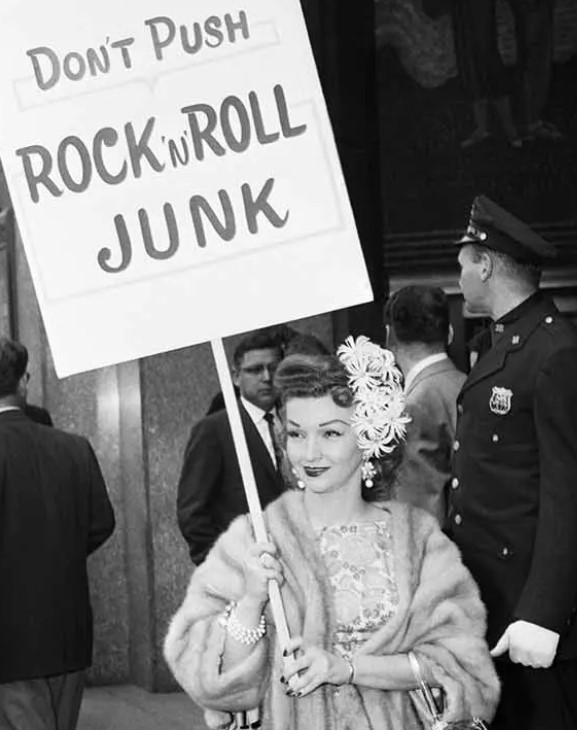
Songs are always getting banned. Even after 9/11, Clear Channel banned songs as innocuous as “In The Air Tonight,” as well as John Lennon’s homage to peace, “Imagine.” Even Bing Crosby was banned in the 40’s for “I’ll Be Home for Christmas,” as it was determined it could have a bad effect on the morale of WWII troops. Billie Holiday’s “Strange Fruit” was also banned, the writing of which was inspired by Lawrence Beitler’s photo of the lynching of Thomas Shipp and Abram Smith. The ultimate ban, that would be the sublime Link Wray instrumental “Rumble.” Link created a sound so frightening, conjuring the images of violent gangs, that makes the ban the ultimate achievement. Fourteen year old Jimmy Page’s life was changed on the spot when he first heard it. Check out Jimmy below playing air guitar to the 45 in the film It Might Get Loud. It’s the best scene in the film. Today’s Playlist is below, a SomethingIsHappening brief compendium of songs banned in the US and elsewhere…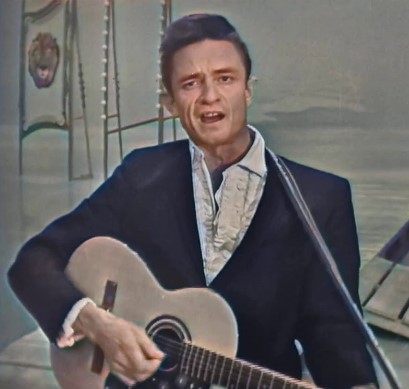


Billie Holiday live in 1959, performing “Strange Fruit”:
https://www.youtube.com/watch?v=-DGY9HvChXk
Jimmy Page listens to his “Rumble” 45 in It Might Get Loud:
https://www.youtube.com/watch?v=RLEUSn8y9TI
“Louie Louie” discussion from Coupe de Ville:
https://www.youtube.com/watch?v=b_ffa0kwal0
TODAY’S PLAYLIST
FORBIDDEN STRANGE FRUIT: Banned in the USA & Elsewhere
https://open.spotify.com/playlist/4KPVoyVyVXaJOuIvAJlAwU?si=4b00a422be334e46

 SomethingIsHappening
Leave a comment